Tuesday, 31 December 2013

Why are venomous organisms like snakes unaffected by their own venom?


Usually venoms act by binding to the receptors present on the surface of the muscle cells on the victim thereby blocking the communication between the nerve cells and muscle cells in the victim.

When the toxin is already bound to the receptor, the natural neurotransmitter acetylcholine can no longer bind to the receptor as there were no free receptors left available by the toxins present in the venom. This blockage cause paralysis in the victim and in the worst case leads to death based on the nature of the venom. The receptors present on the mice and the humans are different from that of the venomous creatures like snakes. This difference prevents the venomous creatures’ venom binding to its receptors.

In snakes, sugar molecules cover the amino acid residues of the receptors thus protecting the binding of its own venom. However, the amino acid residues on the receptors are the same in the all the organisms only the clouding of the residues by sugar molecules make the venomous organisms resistant to their own venom.

Researchers have found that only two groups of animals, snakes and mongooses have sugar molecules on their receptors. The different types of venom attack different tissues in different ways, so a species of snake can ever become completely immune to the venoms of every other species of venomous snakes found in nature. Snakes are immune to the venom that most species of their own species. For example, in an attempt to stimulate or resist copulation, snake species bite one another during sexual combat. Snakes engage in sexual combat display immunity to the venom of their own species which is a must for their survival.

Other mechanisms that are protective for the snakes are as follows: Venom glands of the snakes make venom and specialized cells lining the venom gland protect the venom getting into their blood stream. As long as the venom does not get into the blood stream, it is safe for the animal.

Monday, 30 December 2013

How to Kiss - ten tips

There are kisses for just about every emotion and occasion — the greeting kiss on the cheek, the maternal kiss on the forehead, an affectionate kiss on the lips, the kiss of death — but on those certain occasions when you want to communicate passion and maybe lust, not just any kiss will do. You need a fiercely passionate kiss. If done incorrectly, these kisses can turn out being gross or sloppy, but when performed with skill and feeling, there is no greater expression of love.

1.Make sure your breath is minty fresh and clean. Naturally you practice good oral hygiene, but if you have any doubts about your breath, take a breath mint shortly before the kiss. Make sure to finish the mint or gum before you lock lips.
  • Be careful, as some mints may leave a bad aftertaste and make your breath worse. Water is the best bet! Leaves you no aftertaste, and freshens your mouth and does not leave you thirsty.
2.Approach the kiss with confidence. Try to kiss their cheek so they turn their head your way. Once you've chosen the right moment to kiss someone, there's no turning back, especially if it's your first time kissing that particular person. Be decisive and confident. If the person doesn't want the kiss, he or she will let you know, but until then, act as though you're a pro.

3.Lean in and tilt your head slightly. Leaning in signals that you want to kiss the person, and tilting your head prevents crushing your nose against the other person's.

4.Don't try to thrust your tongue in your partner's mouth right away. Simply press your lips against theirs. Close your eyes as you do so to heighten the intimacy and to avoid looking at the pores on your partner's nose. Imagine your eyes are being controlled by a dimmer switch.

5.Open your lips slightly. Once the kiss is accepted, try opening your lips slightly. If the other person follows suit, try slightly varying the openness of your lips (both more and less open) throughout the kiss. You may wish to explore the person's lips and tongue a bit with the tip of your tongue. There are no rules; just try to make your motions smooth

6.Consider the French Kiss. As the kiss progresses, you may want to try French kissing, in which you insert your tongue lightly into your partner's mouth and let it dance with your partner's tongue.

7.Try some necking. If things are going well, consider spicing it up a bit by moving your head down to kiss and lightly nibble your partner's neck

8.Keep your arms busy. You seldom, maybe never, see a great kiss in which the participants just let their arms dangle at their sides. At the very least, embrace your partner and gently pull him or her to you.
  • You can also run your hands through your partner's hair; or caress his or her back, sides, or other parts of the body. Wrapping your arms around your partner can also be a big turn-on!
  • Where you put your hands should be determined by the status of your relationship, your desires, and your partner's signals, whether spoken or communicated non-verbally.
9.Try a ten-second kiss. Some find that a kiss of at least ten seconds in duration will passionately bond two people more than a shorter kiss. Just hold the kiss for longer, regulating your breathing and keeping your eyes closed.

10.try kissing in a comfortable position and romantic area. This will make the kiss last longer and even might start a French kiss which is a tongue to tongue kiss.


Saturday, 14 December 2013

What is a cookie?

Cookies are usually small text files, given ID tags that are stored on your computer's browser directory or program data subfolders. Cookies are created when you use your browser to visit a website that uses cookies to keep track of your movements within the site, help you resume where you left off, remember your registered login, theme selection, preferences, and other customization functions.The website stores a corresponding file(with same ID tag)to the one they set in your browser and in this file they can track and keep information on your movements within the site and any information you may have voluntarily given while visiting the website, such as email address.
Cookies are often indispensable for websites that have huge databases, need logins, have customizable themes, other advanced features.
Cookies usually don't contain much information except for the url of the website that created the cookie, the duration of the cookie's abilities and effects, and a random number. Due to the little amount of information a cookie contains, it usually cannot be used to reveal your identity or personally identifying information.However, marketing is becoming increasingly sophisticated and cookies in some cases can be agressively used to create a profile of your surfing habits.
There are two types of cookies: session cookies and persistent cookies. Session cookies are created temporarily in your browser's subfolder while you are visiting a website. Once you leave the site, the session cookie is deleted. On the other hand, persistent cookie files remain in your browser's subfolder and are activated again once you visit the website that created that particular cookie. A persistent cookie remains in the browser's subfolder for the duration period set within the cookie's file.

A cookie is a small file of letters and numbers downloaded on to your computer when you access certain websites. Like virtual door keys, cookies unlock a computer's memory and allow a website to recognise users when they return to a site by opening doors to different content or services. Like a key, a cookie itself does not contain information, but when it is read by a browser it can help a website improve the service delivered.
Cookie files are automatically lodged into the cookie file - the memory of your browser - and each one typically contains:
  • The name of the server the cookie was sent from
  • The lifetime of the cookie
  • A value - usually a randomly generated unique number
The website server which sent the cookie uses this number to recognise you when you return to a site or browse from page to page. Only the server that sent a cookie can read, and therefore use, that cookie.
A cookie is a text-only string of information that a website transfers to the cookie file of the browser on the hard disk of computers so that the website can remember who you are.
A cookie will typically contain the name of the domain from which the cookie has come, the "lifetime" of the cookie, and a value, usually a randomly generated unique number. Two common types of cookies are used on most websites-session cookies, which are temporary cookies that remain in the cookie file of your browser until you leave the site, and persistent cookies, which remain in the cookie file of your browser for much longer (though how long will depend on the lifetime of the specific cookie).

Wednesday, 16 October 2013

How The World Uses Gold

The global gold supply reached 4,477 tonnes in 2012, with the gross value added (GVA) of the entire market estimated to be in excess of $210 billion, according to a new report from PwC.
But who actually holds the shiny yellow metal?
Take a look at this chart from the report showing global gold demand in 2012. Central bank purchases accounted for 12% of demand, while individuals' coin and bar purchases accounted for 29%. Jewellery had the largest share, at 43% last year.
The United States of America holds more gold than any other country in the world.
Gold holdings: 8,133.5 tonnes
Percentage of total foreign reserves: 75.1%

10 Tragic Movie Set Disasters

http://in.screen.yahoo.com/10-tragic-movie-set-disasters-180006012.html


In movies with explosions, chases and gun battles it isn't surprising that accidents have happened, watch on for 10 Tragic Movie Set Disasters. Music = Backward Reality by Igor Dvorkin and Ellie Kidd

Tuesday, 8 October 2013

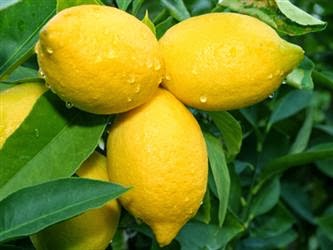
Hidden Health Secrets of Lemons

Did you know the Ancient Egyptians believed that eating lemons and drinking lemon juice was an effective protection against a variety of poisons, and that recent research has confirmed this belief?
There are many health benefits of lemons that have been known for centuries. The two biggest are lemons’ strong antibacterial, antiviral, and immune-boosting powers and their use as a weight loss aid because lemon juice is a digestive aid and liver cleanser. Lemons contain many substances--notably citric acid, calcium, magnesium, vitamin C, bioflavonoids, pectin, and limonene--that promote immunity and fight infection.
These are well-known health facts about lemons. But there’s so much more to this little yellow fruit. Here are 15 that I’ll bet you didn’t know. Whether you use them in the form of juice, teas, drinks, dressing, poultices or in the bath, take advantage of lemons’ natural healing power.
- See more at: http://www.beliefnet.com/Health/Physical-Health/Hidden-Health-Secrets-of-Lemons.aspx#sthash.oYwMSgnr.dpufDid you know the Ancient Egyptians believed that eating lemons and drinking lemon juice was an effective protection against a variety of poisons, and that recent research has confirmed this belief?Did you know the Ancient Egyptians believed that eating lemons and drinking lemon juice was an effective protection against a variety of poisons, and that recent research has confirmed this belief?Did you know the Ancient Egyptians believed that eating lemons and drinking lemon juice was an effective protection against a variety of poisons, and that recent research has confirmed this belief?Did you know the Ancient Egyptians believed that eating lemons and drinking lemon juice was an effective protection against a variety of poisons, and that recent research has confirmed this belief?Did you know the Ancient Egyptians believed that eating lemons and drinking lemon juice was an effective protection against a variety of poisons, and that recent research has confirmed this belief?Lemon contains citric acid, which can be effective in treating acne. The vitamin C found in citrus fruits is vital for that healthy glowing skin while its alkaline nature kills some types of bacteria known to cause acne. In addition to drinking lemon juice with water first thing in the morning, here are some suggestions on how to prepare a homemade acne treatment using lemon:
·Did you know the Ancient Egyptians believed that eating lemons and drinking lemon juice was an effective protection against a variety of poisons, and that recent research has confirmed this belief?
There are many health benefits of lemons that have been known for centuries. The two biggest are lemons’ strong antibacterial, antiviral, and immune-boosting powers and their use as a weight loss aid because lemon juice is a digestive aid and liver cleanser. Lemons contain many substances--notably citric acid, calcium, magnesium, vitamin C, bioflavonoids, pectin, and limonene--that promote immunity and fight infection.
These are well-known health facts about lemons. But there’s so much more to this little yellow fruit. Here are 15 that I’ll bet you didn’t know. Whether you use them in the form of juice, teas, drinks, dressing, poultices or in the bath, take advantage of lemons’ natural healing power.
Lemon contains citric acid, which can be effective in treating acne. The vitamin C found in citrus fruits is vital for that healthy glowing skin while its alkaline nature kills some types of bacteria known to cause acne. In addition to drinking lemon juice with water first thing in the morning, here are some suggestions on how to prepare a homemade acne treatment using lemon:
 With your finger or a cotton ball, apply fresh lemon juice on acne and leave it overnight. Wash with water the following morning. There may be an uncomfortable sensation of burning at first, but it will soon disappear.
· Mix one part of freshly squeezed lemon juice with an equal part of rose or honey water. Put the mixture on affected areas for at least half an hour. Wash it afterwards with water. This application should be repeated twice daily, ideally in the morning and the evening.
Note: these remedies are safe and natural, but if acne is severe or there are open wounds, consult your doctor first.
Research has shown that lemon balm has a calming effect and therefore may be able to help remove fatigue, exhaustion, dizziness, anxiety, nervousness, and tension. It is also believed that inhaling lemon oil helps in increasing concentration and alertness. It can therefore be used as a room freshener in offices to increase the efficiency of the employees. If you’re feeling tense sprinkle a few drops of lemon balm essential oil

The proven antibacterial and antiviral properties of lemons can accelerate the healing process in the case of cankers. Mix the juice of freshly squeezed lemon into a glass of lukewarm water and rinse your mouth with this solution; do this three times a day. There may be a burning sensation when the lemon juice comes into contact with the canker, however, the more frequently you use it, the less burning there will be.

Chills and fevers may be due to a variety of causes, but the lemon is always a helpful remedy. Here is a method that can ease symptoms: add the juice of 1 lemon to a cup of hot water with honey and drink at once, then every 2 hours until the fever or chill subsides
When you have a cold, the healing power of lemons works both internally, by supplying urgently required vitamin C to your defense cells, and externally, through the application of its antiviral properties to the virus on the mucous membranes in the nose and throat.
At the first indication of a cold – a runny nose or sore throat –try to give your body as much immune-boosting vitamin C as you can so that the virus is eliminated before it gets a chance to take hold. Drink the freshly squeezed juice of 1 lemon in a glass of lukewarm water every 2 hours.

If you have a sore throat, add the juice of 1 lemon and 1 teaspoon (5ml) of sea salt to 1 cup (250ml) lukewarm water. Gargle three times a day for 1 minute to diminish the burning sensation. If it’s a case of tonsillitis, gargle every 2 hours for at least 30 seconds with the freshly squeezed juice of 1 lemon. Tilt the head back to allow the antibacterial and antiviral properties of the juice to flow into the back of the throat. You can swallow the juice when you have finished gargling thereby benefiting from an immune-boosting vitamin C shot
Lemon poultices applied overnight are a good home remedy for corns and calluses. Place a slice of lemon approx 5 mm thick on to the corn, bandage and fasten. Dabbing the affected area with lemon essential oil also helps accelerate the healing process. Take care to only use the undiluted oil on the callused area using a cotton ball or Q- tip, as it is too strong for un-callused skin
If you suffer from skin infection such as eczema, a lemon wrap may offer relief. Add 8 drops of lemon essential oil to 1 cup (250ml) lukewarm water and 1 tablespoon (15ml) of liquid honey. Honey also has anti-inflammatory effect and strengthens the healing power of lemon.

Soak a linen cloth in the liquid, squeeze out the excess, and gently place the cloth on the affected area for 15 minutes, 2 to 3 times a day. Not only will this ease the infection, it will counter the overwhelming urge to scratch
Long distance walkers, world travelers, and explorers look upon the lemon as a Godsend. When fatigue sets in, they might suck lemon juice by piercing the top of the fruit with a straw, giving themselves a quick-acting medicine and a lovely refreshment.
Explorers also use lemon for protection against many infections of the tropics. A small amount of lemon juice will quench thirst more effectively than many times the amount of water. Experienced travelers declare that when they add lemon juice to ordinary drinking water, in various localities, it acts as an antiseptic and prevents illness due to allergy to different water supplies.

Lemon oil also seems to be able to stimulate brain activity so whenever you feel tired for no reason or are finding it hard to focus or concentrate, add 4 drops of lemon oil to a water-filled aromatherapy lamp. Alternatively, drink a glass of lemon water every few hours.

Lemons can help freshen breath that has gone sour after consuming certain spices, alcohol, cigarettes, or that is caused by insufficient salivation. To keep breath fresh, thoroughly rinse your mouth several times a day with the freshly squeezed juice of 1 lemon in a glass of lukewarm water. Chewing on a lemon slice after every meal will also hel


There are many health benefits of lemons that have been known for centuries. The two biggest are lemons’ strong antibacterial, antiviral, and immune-boosting powers and their use as a weight loss aid because lemon juice is a digestive aid and liver cleanser. Lemons contain many substances--notably citric acid, calcium, magnesium, vitamin C, bioflavonoids, pectin, and limonene--that promote immunity and fight infection.
These are well-known health facts about lemons. But there’s so much more to this little yellow fruit. Here are 15 that I’ll bet you didn’t know. Whether you use them in the form of juice, teas, drinks, dressing, poultices or in the bath, take advantage of lemons’ natural healing power.
- See more at: http://www.beliefnet.com/Health/Physical-Health/Hidden-Health-Secrets-of-Lemons.aspx#sthash.oYwMSgnr.dpuf
There are many health benefits of lemons that have been known for centuries. The two biggest are lemons’ strong antibacterial, antiviral, and immune-boosting powers and their use as a weight loss aid because lemon juice is a digestive aid and liver cleanser. Lemons contain many substances--notably citric acid, calcium, magnesium, vitamin C, bioflavonoids, pectin, and limonene--that promote immunity and fight infection.
These are well-known health facts about lemons. But there’s so much more to this little yellow fruit. Here are 15 that I’ll bet you didn’t know. Whether you use them in the form of juice, teas, drinks, dressing, poultices or in the bath, take advantage of lemons’ natural healing power.
- See more at: http://www.beliefnet.com/Health/Physical-Health/Hidden-Health-Secrets-of-Lemons.aspx#sthash.oYwMSgnr.dpufDid you know the Ancient Egyptians believed that eating lemons and drinking lemon juice was an effective protection against a variety of poisons, and that recent research has confirmed this belief?
There are many health benefits of lemons that have been known for centuries. The two biggest are lemons’ strong antibacterial, antiviral, and immune-boosting powers and their use as a weight loss aid because lemon juice is a digestive aid and liver cleanser. Lemons contain many substances--notably citric acid, calcium, magnesium, vitamin C, bioflavonoids, pectin, and limonene--that promote immunity and fight infection.
These are well-known health facts about lemons. But there’s so much more to this little yellow fruit. Here are 15 that I’ll bet you didn’t know. Whether you use them in the form of juice, teas, drinks, dressing, poultices or in the bath, take advantage of lemons’ natural healing power.
- See more at: http://www.beliefnet.com/Health/Physical-Health/Hidden-Health-Secrets-of-Lemons.aspx#sthash.oYwMSgnr.dpufDid you know the Ancient Egyptians believed that eating lemons and drinking lemon juice was an effective protection against a variety of poisons, and that recent research has confirmed this belief?
There are many health benefits of lemons that have been known for centuries. The two biggest are lemons’ strong antibacterial, antiviral, and immune-boosting powers and their use as a weight loss aid because lemon juice is a digestive aid and liver cleanser. Lemons contain many substances--notably citric acid, calcium, magnesium, vitamin C, bioflavonoids, pectin, and limonene--that promote immunity and fight infection.
These are well-known health facts about lemons. But there’s so much more to this little yellow fruit. Here are 15 that I’ll bet you didn’t know. Whether you use them in the form of juice, teas, drinks, dressing, poultices or in the bath, take advantage of lemons’ natural healing power.
- See more at: http://www.beliefnet.com/Health/Physical-Health/Hidden-Health-Secrets-of-Lemons.aspx#sthash.oYwMSgnr.dpuf
There are many health benefits of lemons that have been known for centuries. The two biggest are lemons’ strong antibacterial, antiviral, and immune-boosting powers and their use as a weight loss aid because lemon juice is a digestive aid and liver cleanser. Lemons contain many substances--notably citric acid, calcium, magnesium, vitamin C, bioflavonoids, pectin, and limonene--that promote immunity and fight infection.
These are well-known health facts about lemons. But there’s so much more to this little yellow fruit. Here are 15 that I’ll bet you didn’t know. Whether you use them in the form of juice, teas, drinks, dressing, poultices or in the bath, take advantage of lemons’ natural healing power.
- See more at: http://www.beliefnet.com/Health/Physical-Health/Hidden-Health-Secrets-of-Lemons.aspx#sthash.oYwMSgnr.dpuf
There are many health benefits of lemons that have been known for centuries. The two biggest are lemons’ strong antibacterial, antiviral, and immune-boosting powers and their use as a weight loss aid because lemon juice is a digestive aid and liver cleanser. Lemons contain many substances--notably citric acid, calcium, magnesium, vitamin C, bioflavonoids, pectin, and limonene--that promote immunity and fight infection.
These are well-known health facts about lemons. But there’s so much more to this little yellow fruit. Here are 15 that I’ll bet you didn’t know. Whether you use them in the form of juice, teas, drinks, dressing, poultices or in the bath, take advantage of lemons’ natural healing power.
- See more at: http://www.beliefnet.com/Health/Physical-Health/Hidden-Health-Secrets-of-Lemons.aspx#sthash.oYwMSgnr.dpuf
There are many health benefits of lemons that have been known for centuries. The two biggest are lemons’ strong antibacterial, antiviral, and immune-boosting powers and their use as a weight loss aid because lemon juice is a digestive aid and liver cleanser. Lemons contain many substances--notably citric acid, calcium, magnesium, vitamin C, bioflavonoids, pectin, and limonene--that promote immunity and fight infection.
These are well-known health facts about lemons. But there’s so much more to this little yellow fruit. Here are 15 that I’ll bet you didn’t know. Whether you use them in the form of juice, teas, drinks, dressing, poultices or in the bath, take advantage of lemons’ natural healing power.
- See more at: http://www.beliefnet.com/Health/Physical-Health/Hidden-Health-Secrets-of-Lemons.aspx#sthash.oYwMSgnr.dpuf

Saturday, 5 October 2013

Intelligent Transportation Systems Benefits, Costs, Deployment, and Lessons Learned:

Intelligent transportation systems (ITS) provide a proven set of strategies for addressing
the challenges of assuring safety and reducing congestion, while accommodating the
growth in transit ridership and freight movement. ITS improve transportation safety and
mobility, and enhance productivity through the use of advanced communications, sensors,
and information processing technologies encompassing a broad range of wireless and
wireline communications-based information and electronics. When integrated into the
transportation system’s infrastructure, and into vehicles themselves, these technologies
relieve congestion, improve safety, and enhance American productivity.
This report presents information on the performance of deployed ITS, as well as information
on the costs, deployment levels, and lessons learned regarding ITS deployment and
operations. The report, and the collection of four Web-based resources upon which it is
based, have been developed by the U.S. DOT’s ITS Joint Program Office (JPO) to support
informed decision making regarding ITS deployment.
To support the deployment of ITS and to address the challenges facing the U.S. transportation
system, the JPO has developed a suite of knowledge resources. This collection
of Web-based resources provides ready access to information supporting informed
decision making regarding deployment and operation of ITS to improve transportation
system performance. Information presented in these online knowledge resources is
the basis for this document. The four knowledge resources are the ITS Benefits Database
(www.itsbenefits.its.dot.gov), ITS Costs Database (www.itscosts.its.dot.gov), ITS Deployment
Statistics Database (www.itsdeployment.its.dot.gov), and the ITS Lessons Learned Knowledge
Resource (www.itslessons.its.dot.gov).
This report discusses 17 different areas of ITS application. These chapters are divided into
two sections discussing technologies deployed on the transportation infrastructure and
those deployed within vehicles. The 14 different infrastructure applications discussed can
be grouped into ITS strategies applied to roadways, transit, management and operations
of transportation systems, and freight movement. Lessons learned during ITS planning,
implementation, and deployment, highlighted throughout the report, are discussed in a
chapter following the review of ITS applications and summarized at the conclusion of this
executive summary.

Intelligent Infrastructure
Roadways
Roadway applications of ITS include strategies applied to arterial roadways, freeways,
crash prevention and safety, road weather management, and roadway operations and
maintenance.
Arterial Management
Studies demonstrate the ability of traffic control ITS applications to enhance mobility,
increase efficiency of the transportation systems, and reduce the impact of automobile
travel on energy consumption and air quality. The ability of both adaptive signal control
and coordinated signal timing to smooth traffic can lead to corresponding safety improvements
through reduced rear-end crashes. Optimizing signal timing is considered a lowcost
approach to reducing congestion. Based on data from six separate studies, the costs
range from $2,500 to $3,100 per signal per update.1 Based on a series of surveys of arterial
management agencies in 78 of the largest U.S. metropolitan areas, half of traffic signals in
these metropolitan areas were under centralized control through closed-loop or computer
control in 2006.
Freeway Management
There are numerous ITS strategies to improve freeway operations. Metropolitan areas that
deploy ITS infrastructure including dynamic message signs (DMS) to manage freeway and
arterial traffic, and integrate traveler information with incident management systems can
increase peak period freeway speeds by 8 to 13 percent,2 improve travel time, and according
to simulation studies, reduce crash rates and improve trip time reliability with delay
reductions ranging from 1 to 22 percent.3 In Minneapolis-St. Paul, the benefit-to-cost ratio
for a ramp metering system was estimated at 15:1.4
The Florida DOT (FDOT) deployed 31 DMS in Broward County including associated structures,
foundations, controllers, cabinets, and installation, plus approximately 37 miles of
in-ground fiber optic communications at a cost of $11 million. Annual operating costs were
estimated at $22,320 and annual maintenance costs were estimated at $620,000. FDOT
coordinates with other agencies to verify incident and congestion locations and then posts
traveler information on the DMS along effected routes.5
Ramp meters now manage access to 13 percent of freeway miles in the country’s 78 largest
metropolitan areas, up from 9 percent in 2000. As of 2006, surveillance—consisting of
loop detectors, radar detectors and acoustic detectors—is used to collect data on traffic
conditions on 45 percent of freeway miles in the country’s 78 largest metropolitan areas,
up from 22 percent in 2000.
Crash Prevention and Safety
Road geometry warning systems can improve safety on highway ramps or curves that experience
a high incidence of truck rollovers. Downhill speed warning systems have decreased
truck crashes by up to 13 percent at problem sites in Oregon and Colorado.6 As part of an
evaluation of automated truck rollover warning systems, the Pennsylvania DOT researched
systems in other states. The cost of these systems varied significantly, ranging from $50,000
to $500,000, as did their configurations: invasive and non-invasive detection, weight-based
versus simplified speed class algorithms, and system calibrations for warnings.7 The three
most widely adopted systems are curve and ramp speed, rail crossing warning systems,and pedestrian safety systems. Next in popularity, and adopted by about half as many
states, are downhill warning systems, intersection collision avoidance systems, and animal
warning systems
     Road Weather Management
High-quality road weather information can benefit travelers, commercial vehicle operators,
emergency responders, and agencies who construct, operate, and maintain roadways.
Evaluation data show that 80 to 94 percent of motorists who use traveler information Web
sites think road weather information enhances their safety and prepares them for adverse
road weather.8 Studies have found that anti-icing programs can lower snow and ice control
costs by 10 to 50 percent and reduce crash rates by 7 to 83 percent.9 Nine respondents to a
fixed automated spray technology (FAST) survey indicated that cost of installations varied
greatly, $22,000 to $4 million, depending on coverage area, site location, accessibility of
existing utilities, system functionality and features, and market factors. Operations and
maintenance (O&M) costs of FAST systems are relatively low compared to the installation
costs.10 State DOTs disseminate weather warnings to public traveler information agencies
in 26 states, traffic management agencies in 22 states, and incident management agencies
in 21 states.
Roadway Operations and Maintenance
ITS technologies deployed for roadway operations and maintenance activities can have
system-wide impacts. Network simulation models estimate that smart work zones can
reduce total delay by 41 to 75 percent.11 In addition to improving mobility, work zone ITS can
improve safety. Evaluation data show that areas equipped with speed monitoring displays
can decrease vehicle speeds by 4 to 6 mi/h,12 and reduce the number of speeding vehicles
by 25 to 78 percent.13 Work zone ITS deployment costs ranged from $100,000 to $2.5 million
with the majority of systems ranging from $150,000 to $500,000.14
Transit
Several applications of ITS for transit management have been deployed.
Transit Management
Fleet management applications, including automatic vehicle location (AVL) and computeraided
dispatch (CAD) systems, can improve both the experience of transit riders and
the efficiency of transit operations by enabling more efficient planning, scheduling, and
management of transit assets and resources. Transit agencies have reported reductions
in fleet requirements ranging from two to five percent as a result of improved fleet utilization.
15 Data from transit systems in Portland, Oregon; Milwaukee, Wisconsin; and Baltimore,
Maryland show that AVL/CAD systems have improved schedule adherence by 9 to
23 percent.16
Mobile data terminals (MDTs) are an important component of transit fleet management
systems. MDTs are multifunctional on-board devices that support two-way communication
between the vehicle and the control center. Capital costs for MDTs typically range
between $1,000 and $4,000 per unit with installation costs frequently between $500 and
$1,000.17
The use of AVL on fixed-route buses has expanded rapidly during this period, growing from
32 percent in 2000 to almost 60 percent in 2006............................................................................